A living chapter · Not a campaign
The Gist of America
Inspirational stories of America and Americans — public, named, and sourced from the record. This chapter does not close. Contrast and the growth ledger live on the house site. Greatness is adherence to the Constitution, not a rewrite and not a mood.
Built
People aimed high and finished the job.
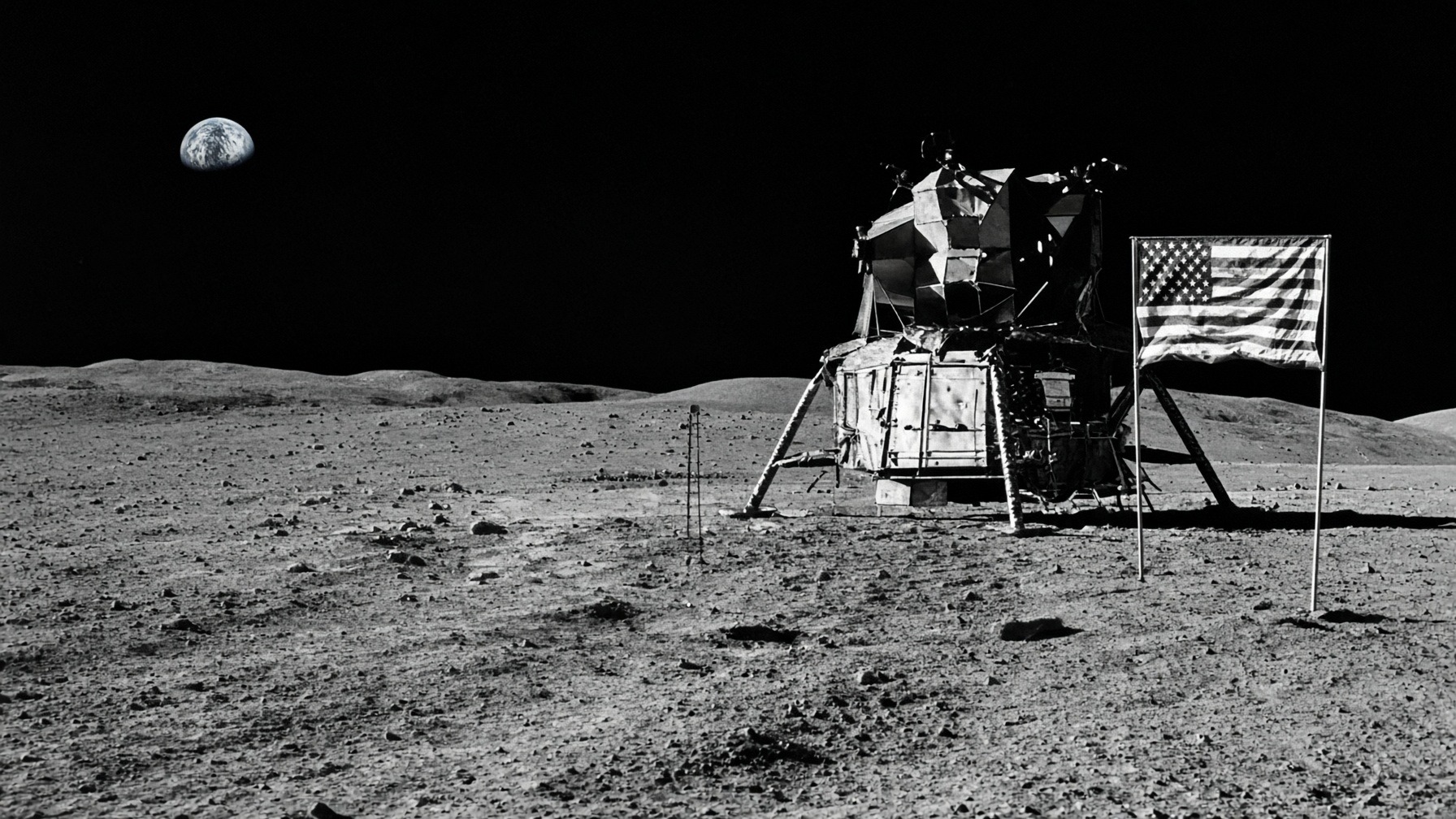
1969
A flag on another world
Eight years after a speech, American engineers put men on the Moon and brought them home.
Read

1955
A vaccine for a generation
Jonas Salk refused to patent the polio vaccine. The point was that children would walk.
Read
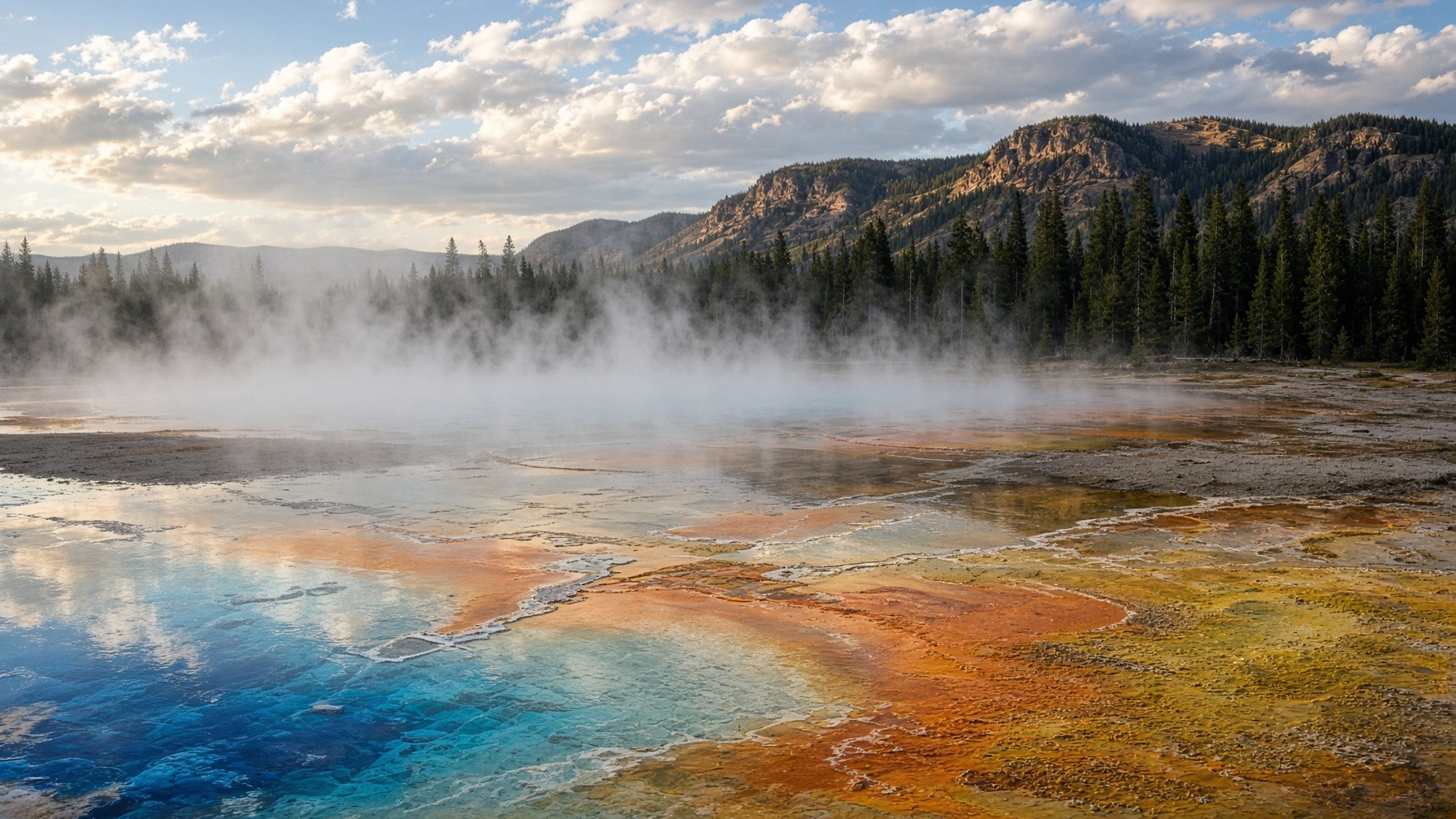
1872–
Land held in common
Yellowstone was the first national park. The idea was simple and rare: keep the best ground for everyone.
Read

1903
Twelve seconds at Kitty Hawk
Two bicycle men from Dayton solved lift, control, and power on a sand dune in North Carolina.
Read

20th century
An American music
Jazz came out of New Orleans, Chicago, Kansas City, Harlem — Black genius under pressure, then a gift the whole world claimed.
Read
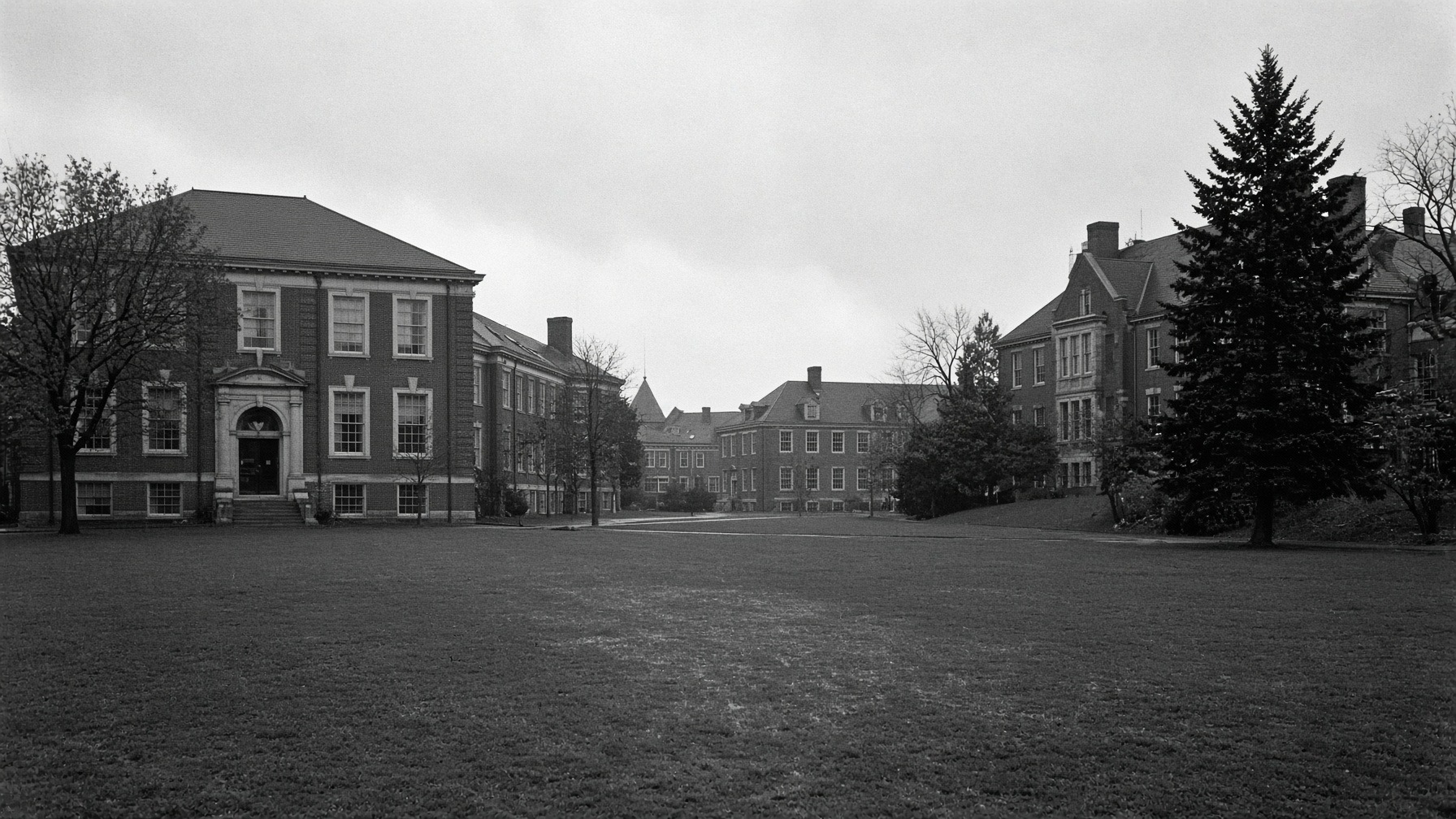
1944
A ticket home that built a middle class
The GI Bill sent millions of veterans to school and helped them buy houses. It was uneven — many Black veterans were shut out of the same ladders.
Read
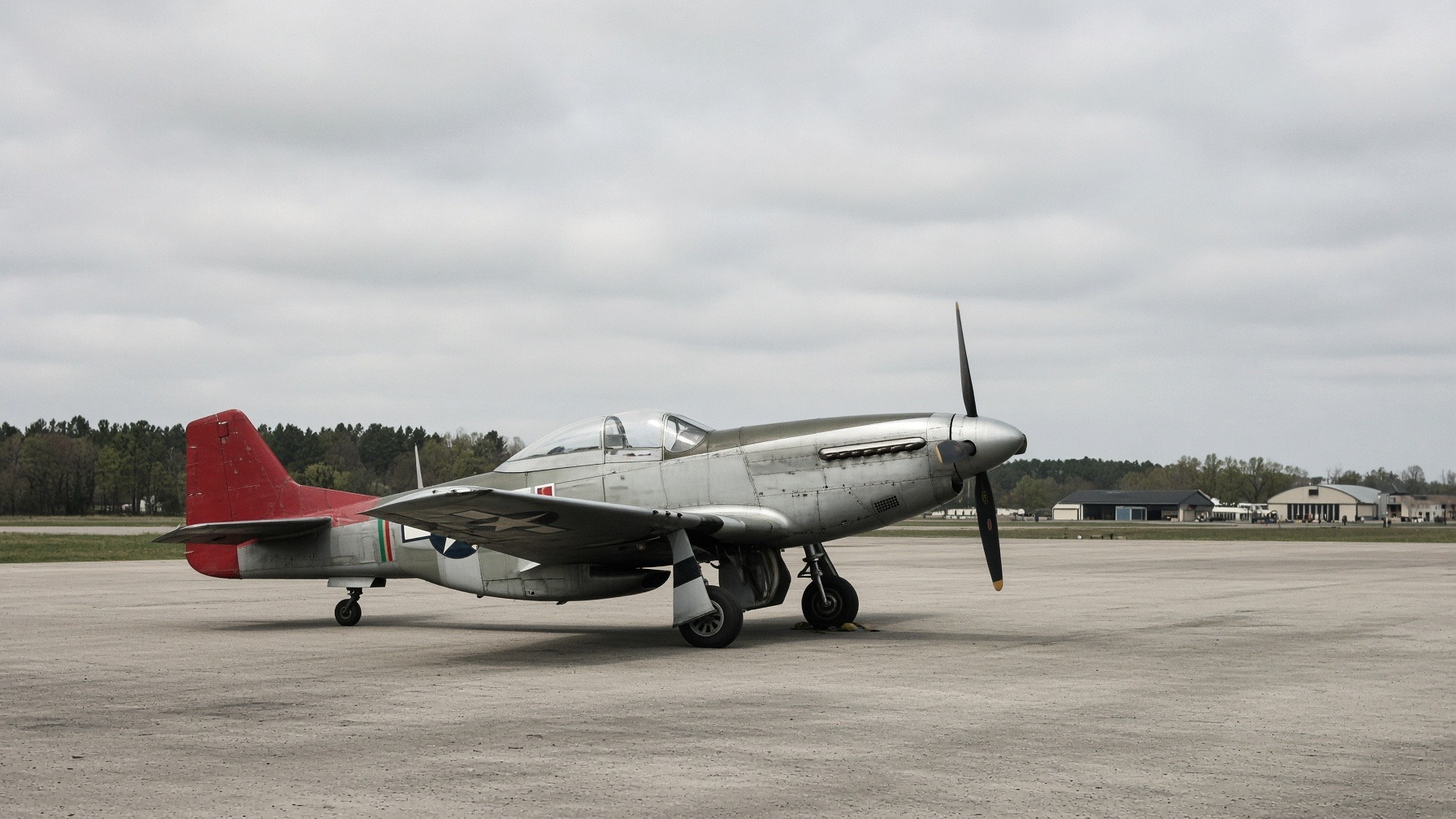
1941–48
The Tuskegee Airmen
They trained in Alabama under a segregated system designed to expect failure. They escorted bombers over Europe and did not fail.
Read
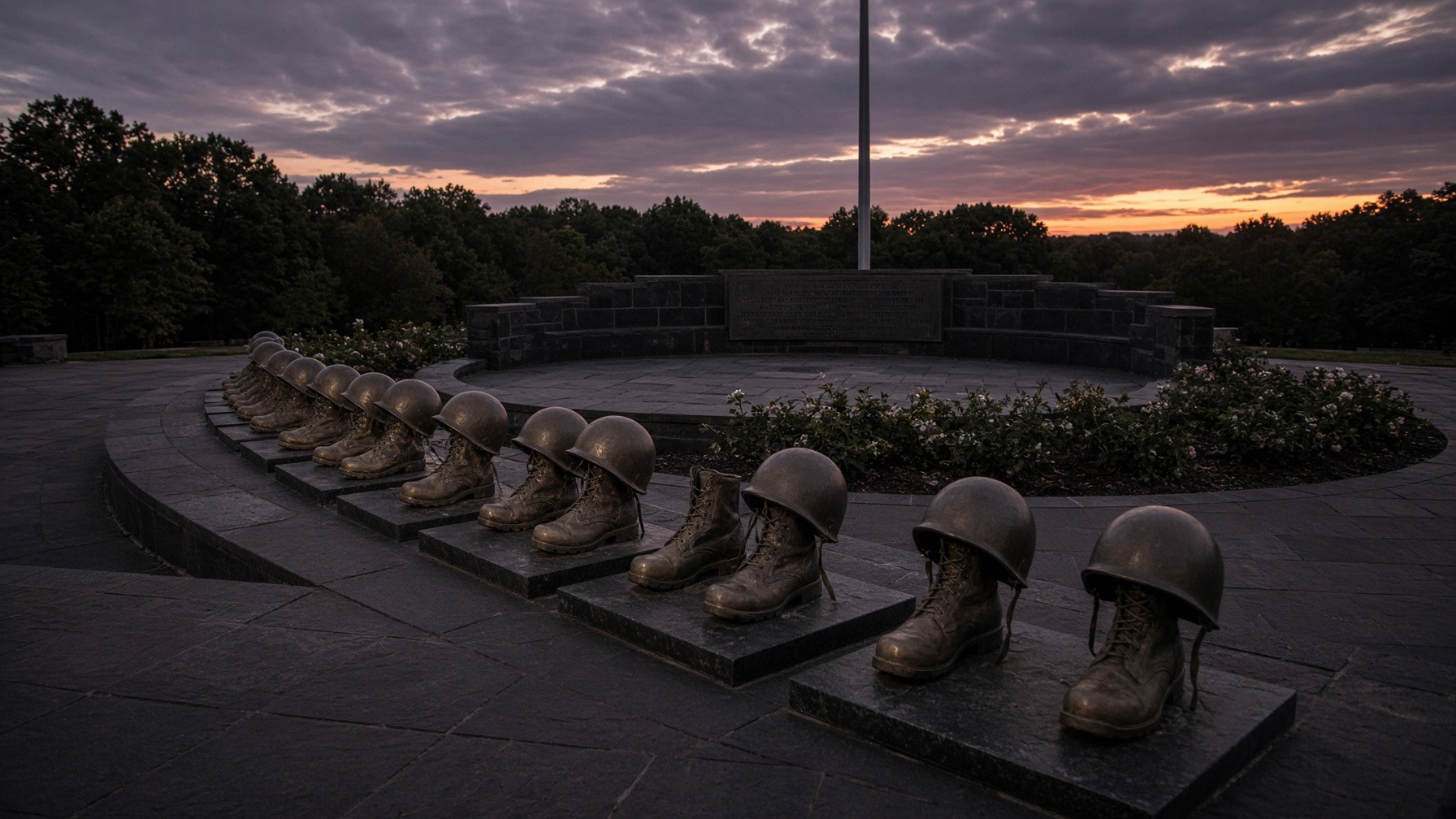
442nd · 1943–46
Go for Broke
Nisei soldiers fought in Italy and France while many of their families sat behind wire at home. They became the most decorated unit for their size and length of service in U.S. Army history.
Read
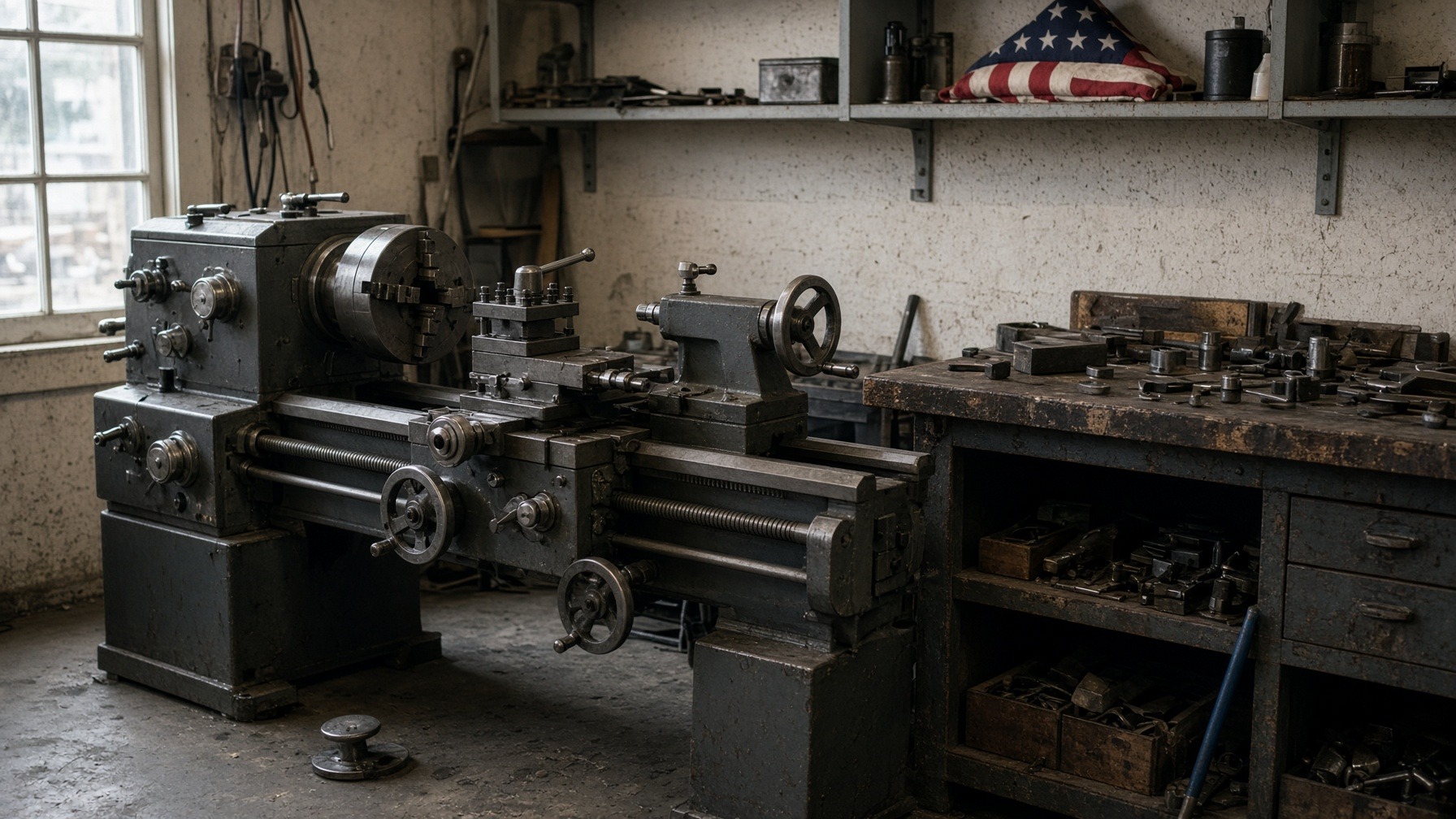
Shops and towns
The quiet supply chain
Every famous American feat had a county behind it: machine shops, teachers, church basements, union halls, farm tables.
Read
People, freedom, Constitution
Named public lives. The creed used in the open.
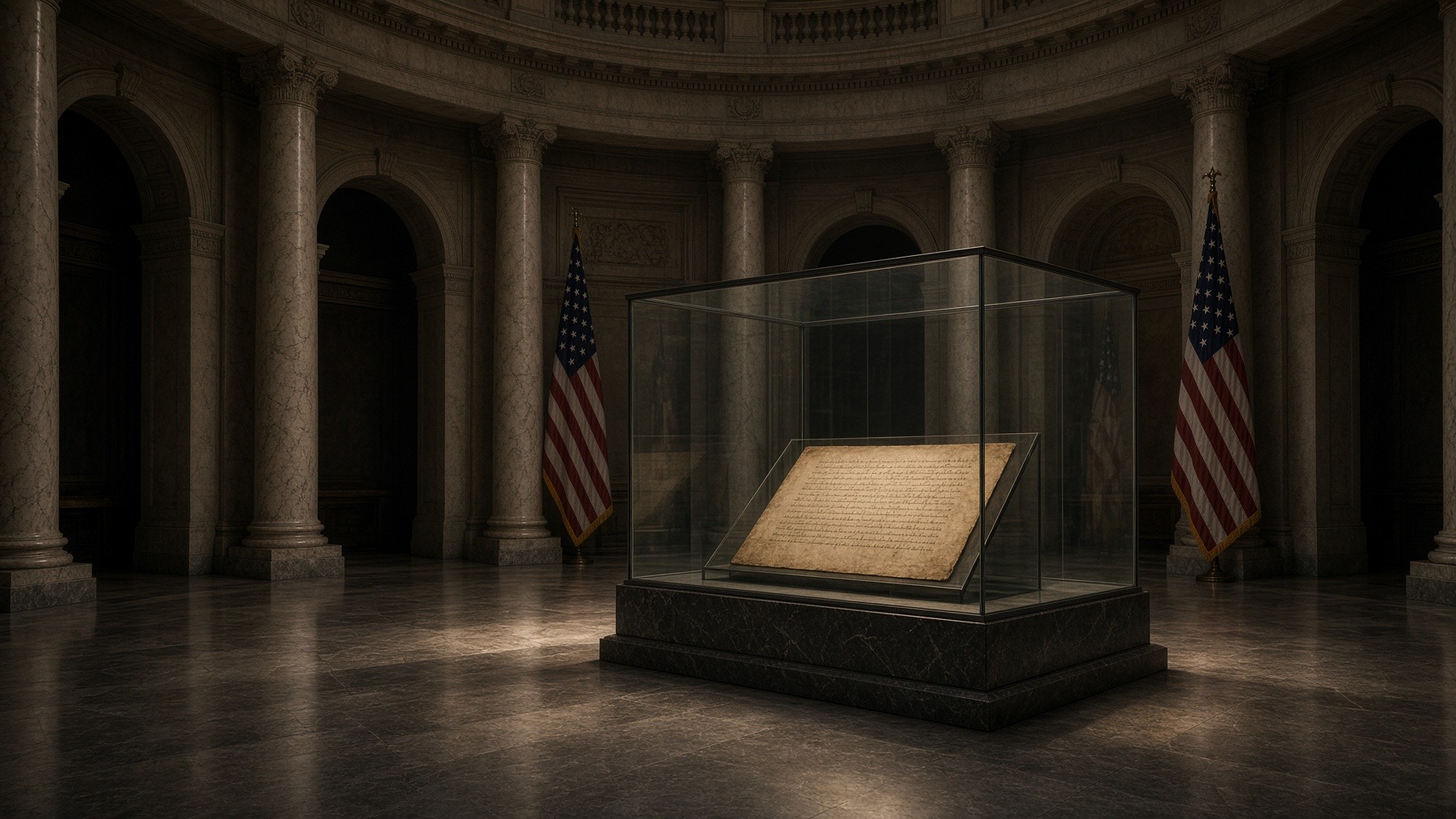
1787–
A paper that binds the government
Most governments write rules for the people. Ours wrote rules for the government — then let the people amend them.
Read

Annapolis · 23 December 1783
He laid the sword down
Washington won the war, then handed the commission back to Congress and went home. The American miracle is not winning. It is leaving.
Read

People · 1852
Douglass used the creed against the country
A man born enslaved told Americans their own Constitution was a promise. He did not ask them to abandon it. He asked them to keep it.
Read
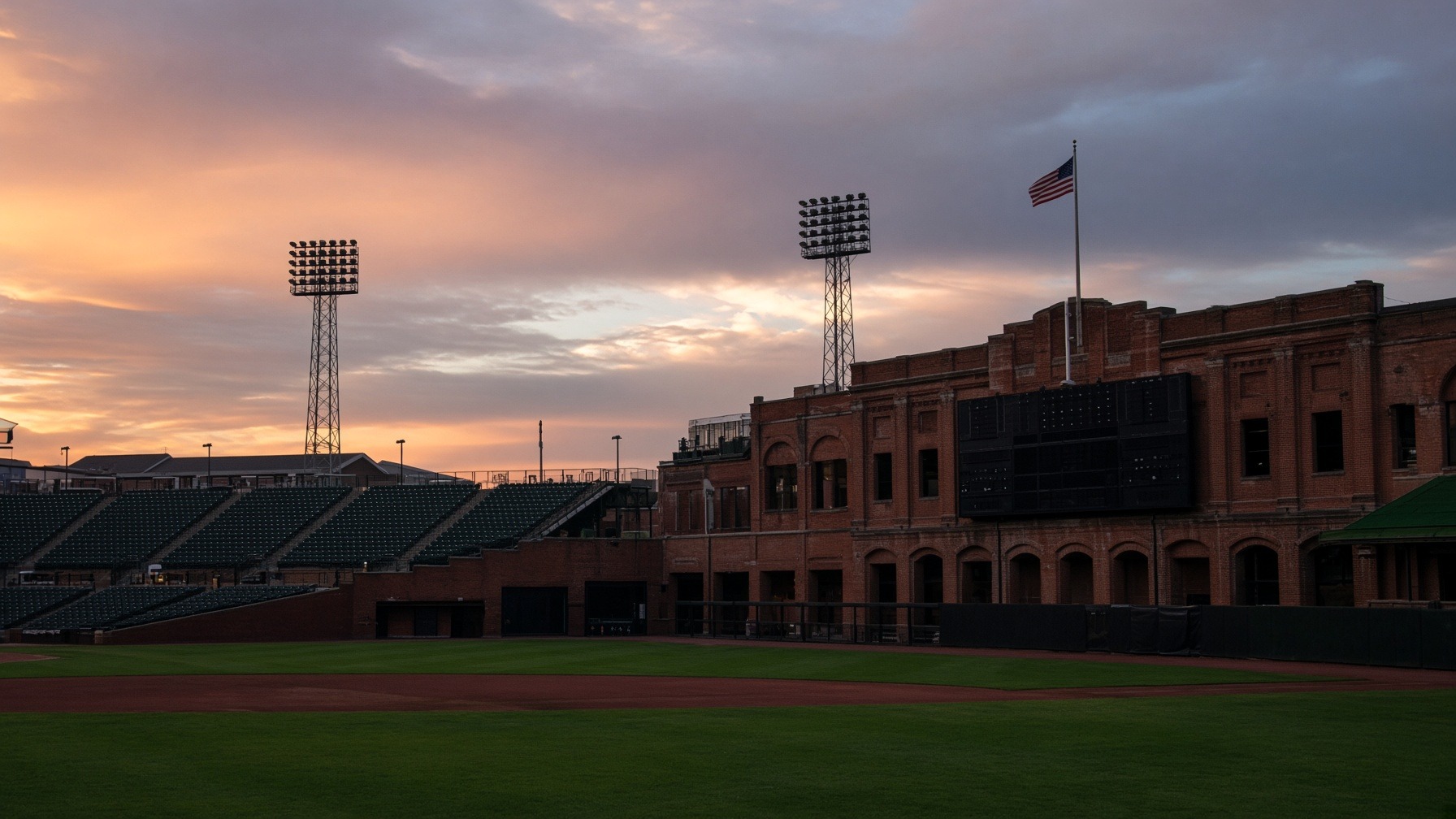
People · 1947
Robinson made the lineup tell the truth
Jackie Robinson did not ask baseball for a theory of equality. He took the field, took the spikes, and let excellence do the arguing.
Read
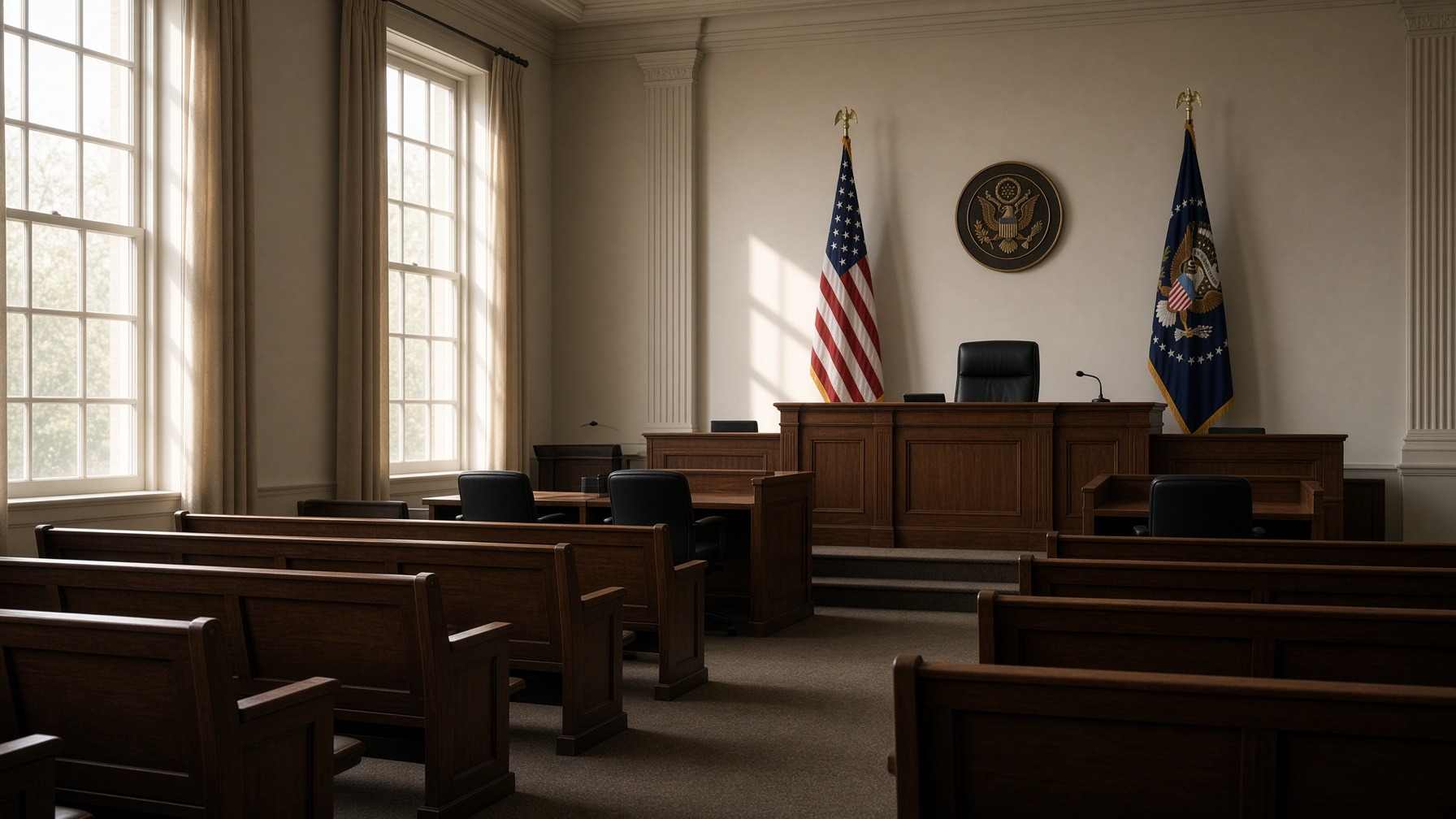
People · every week
The oath is to a document, not a man
New citizens raise a right hand and swear to the Constitution. So do Marines. The person on the other side of the oath is supposed to be replaceable.
Read
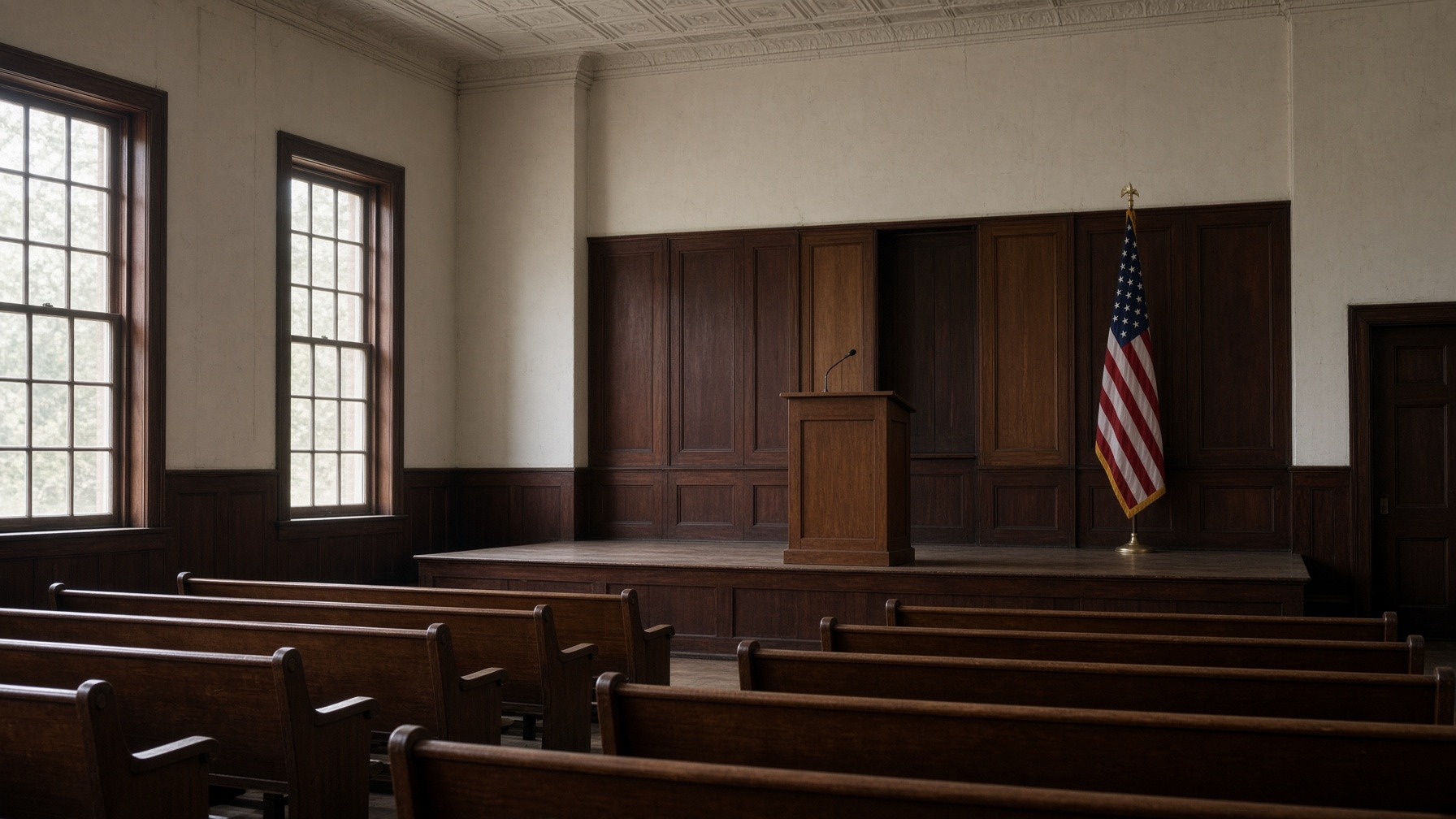
People · First Amendment
A microphone the state does not get to assign
You do not apply to the ministry of speech. You stand up. That is rarer than it sounds.
Read

People · teachers
The classroom is a civic machine
A free country has to be taught on purpose. Someone has to stand in front of other people’s children and tell the truth about the Constitution — including the parts we failed.
Read
Everyday excellence
The country is also a shop floor, a classroom, a town that keeps its word.
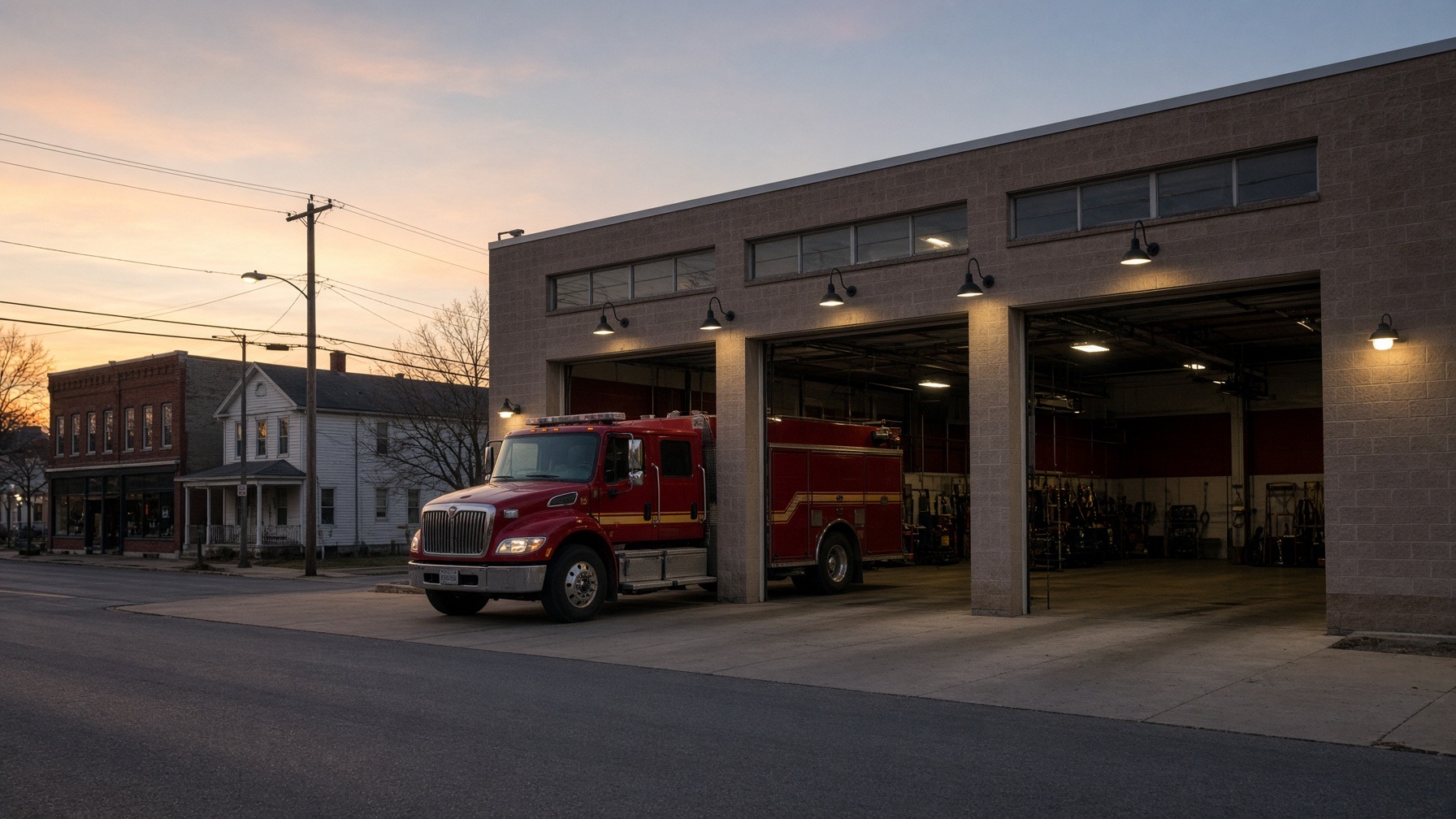
Everyday
Volunteer fire
Most of the country’s fireground is still covered by people who leave a day job when the tones drop.
Read
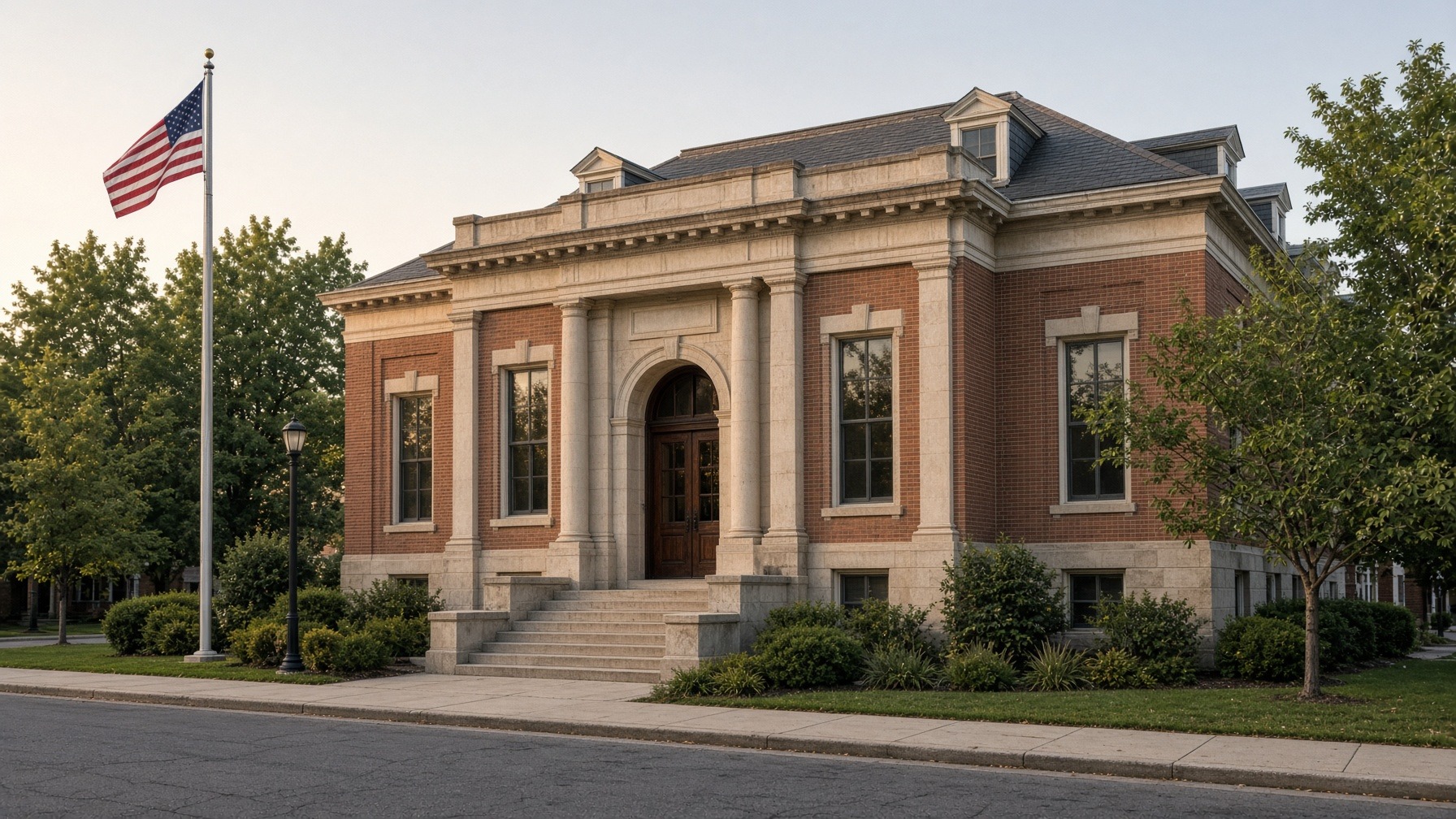
Everyday
The public library
A free desk, a free book, and a librarian who does not ask what party you are in.
Read
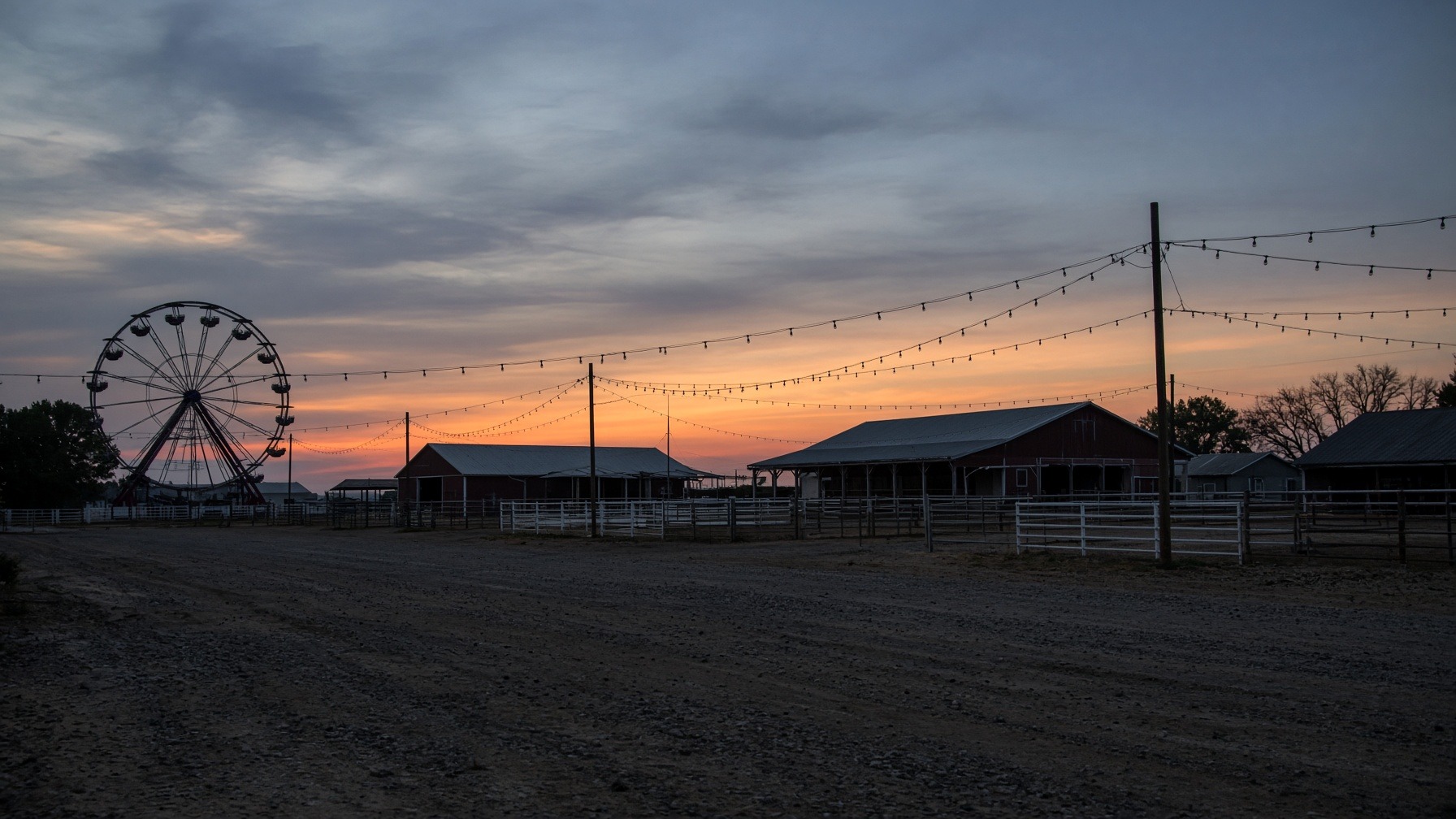
Everyday
County fair
Livestock, pies, demolition derbies, 4-H. A year of work put on a folding table for neighbors to judge.
Read
In the world
Sovereign nations. Americans abroad because a free person’s paper travels.

International · realist
International means nations, not a board of elites
The construct that let the world learn is simple: sovereign peoples deal with sovereign peoples. Errors stay local enough to correct. Give-and-take stays possible.
Read
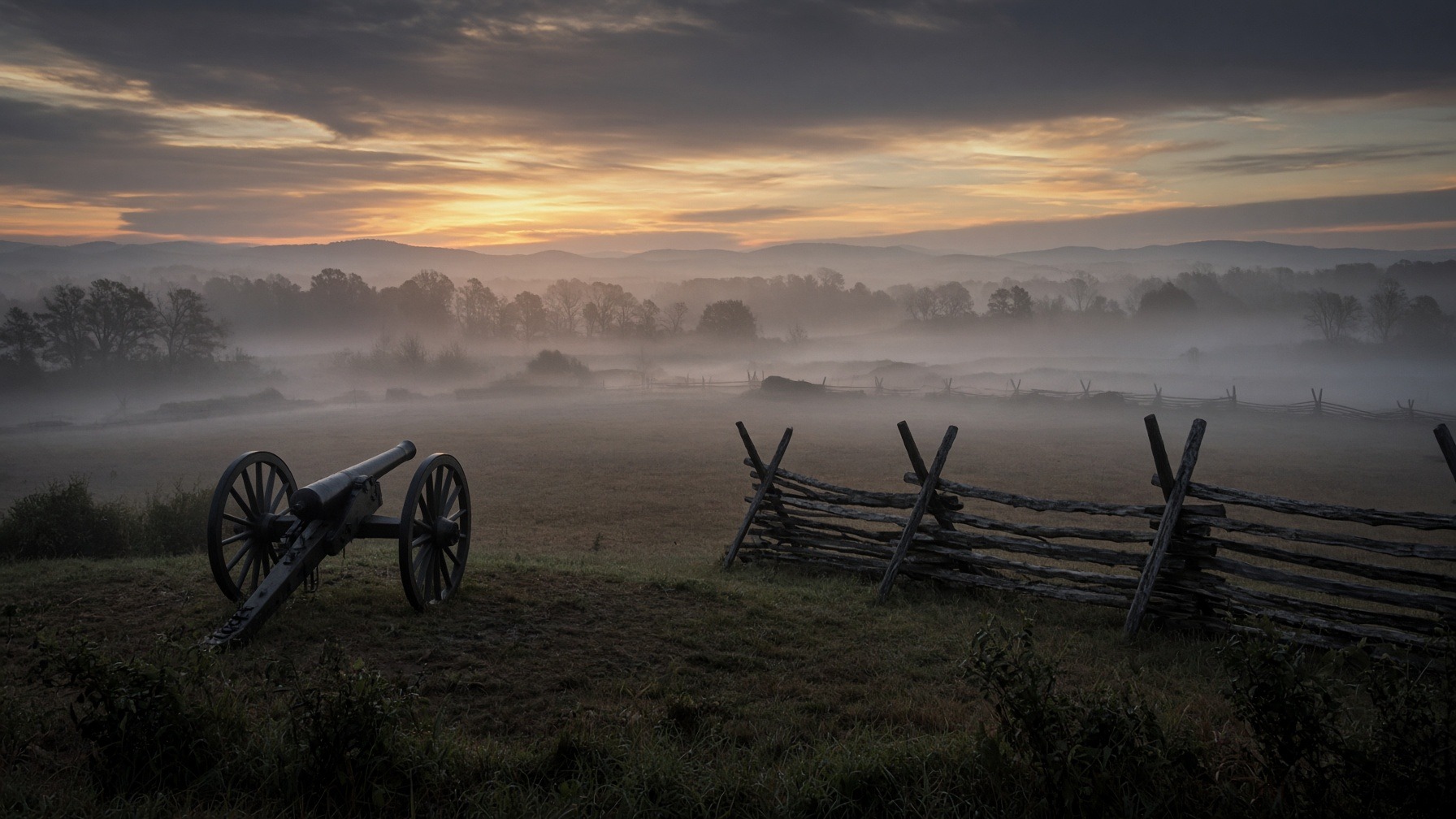
Wars · 1861–65
The war we fought with ourselves
The bloodiest American war was not overseas. It was Americans deciding whether the Union — and the claim that a person is not property — would stand.
Read
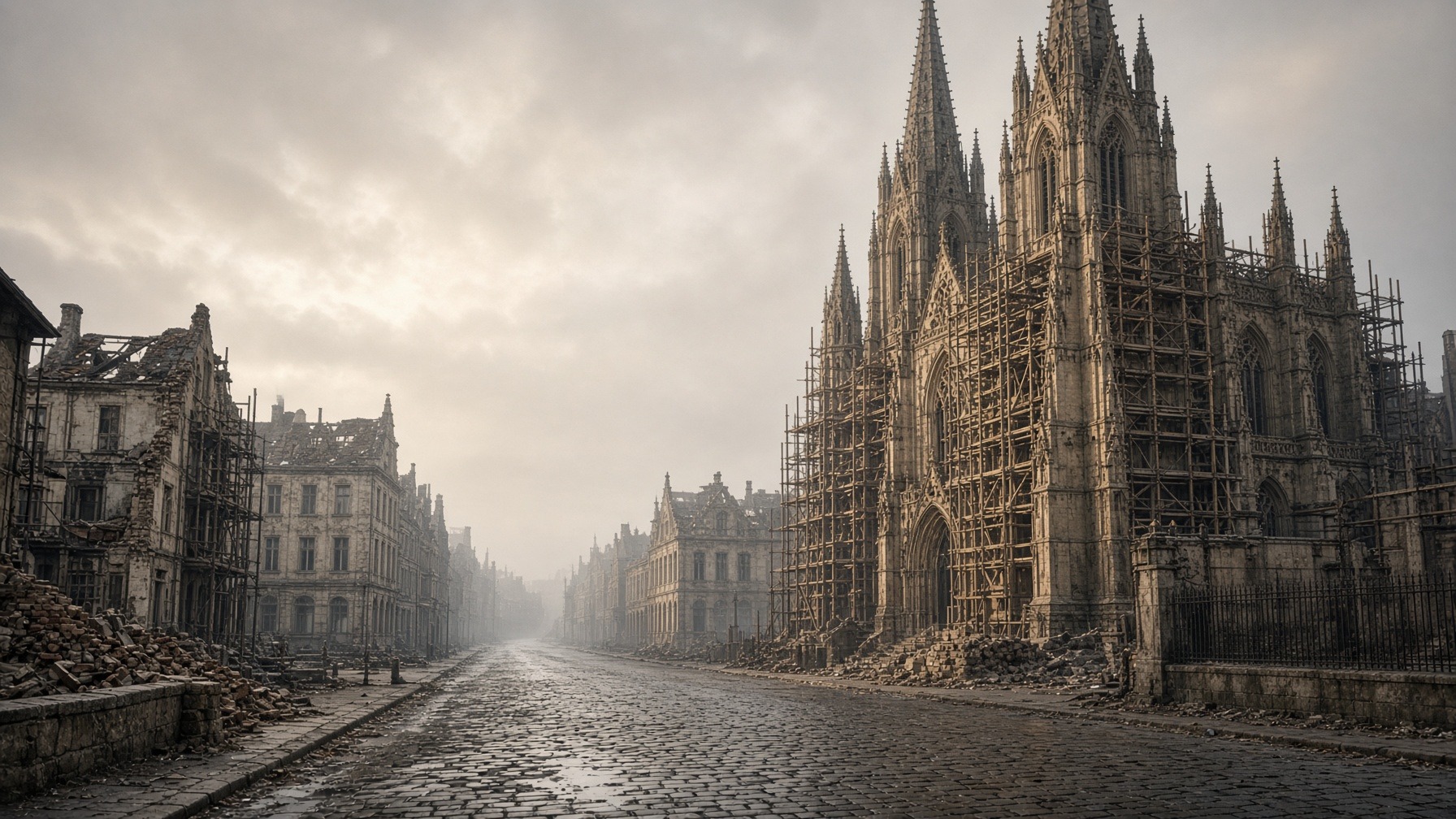
Wars · Europe, Asia, the Americas
We fought. Then we left them their countries.
The unusual American pattern after victory was not to keep the land. Germany, Japan, Italy, South Korea — occupied, rebuilt, then returned to their own governments.
Read
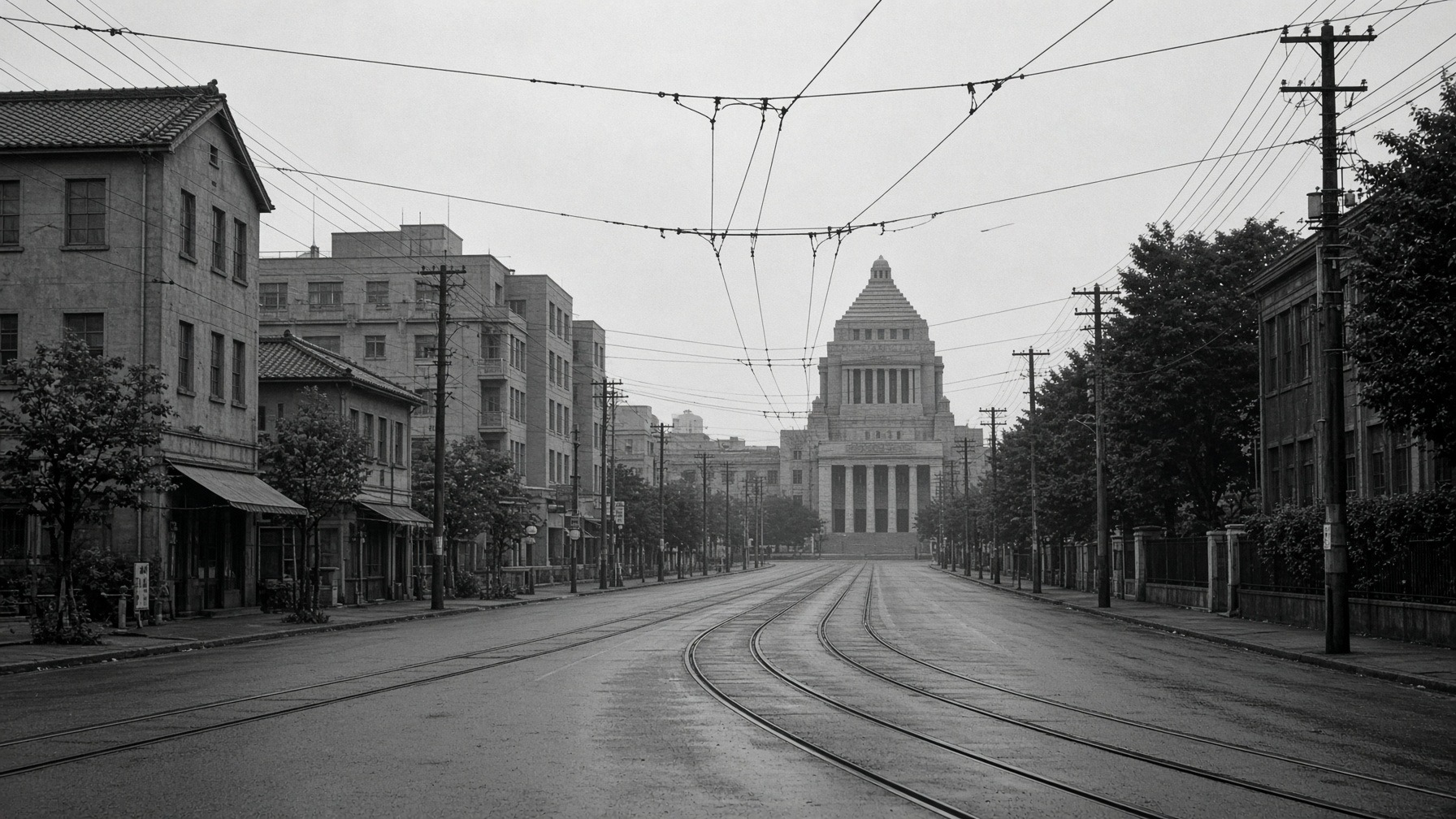
Wars · 1945–52
Japan remained Japan
We occupied. We did not keep. The emperor stayed Japanese. The government that followed was theirs.
Read
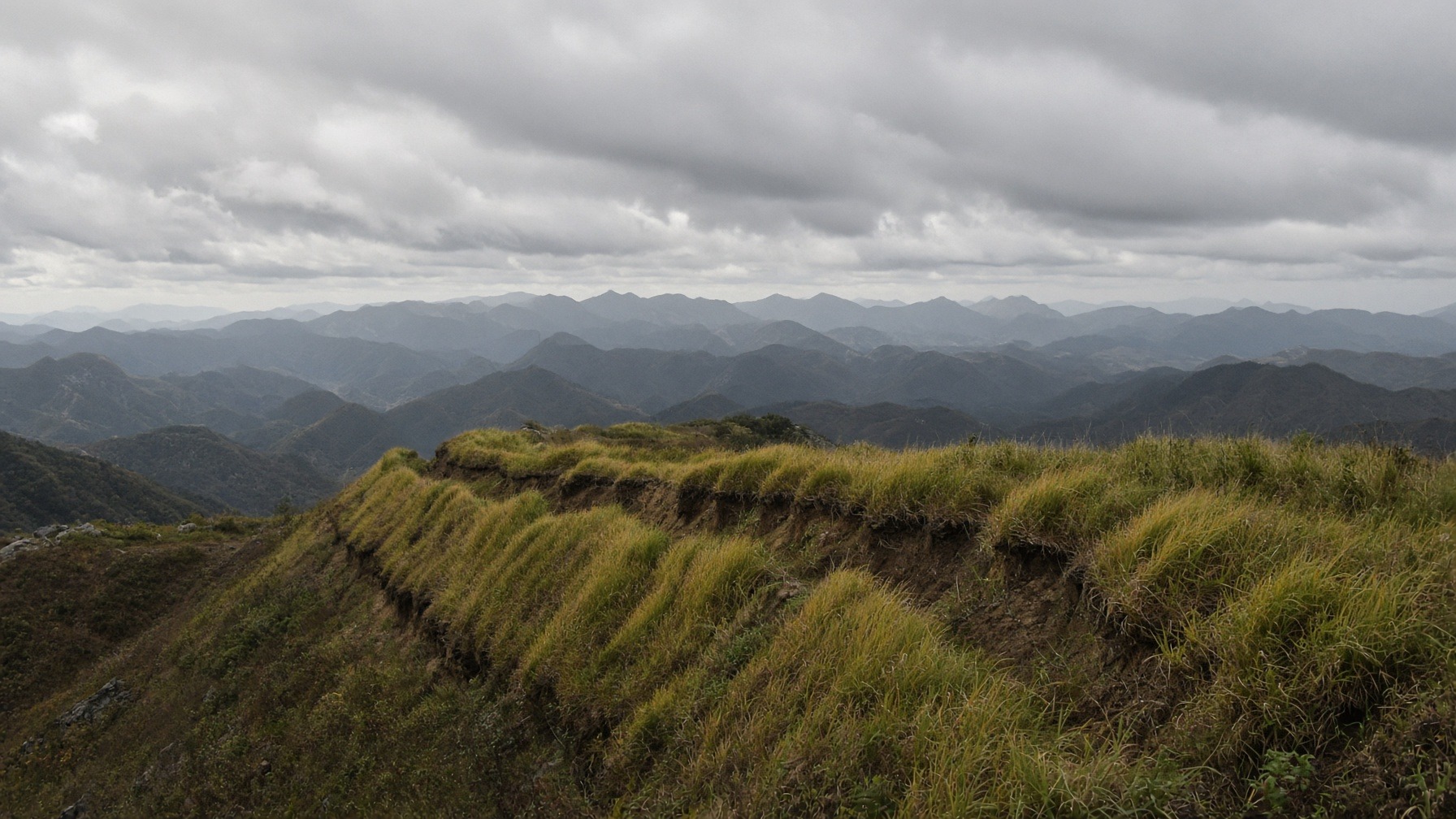
Wars · 1950–53
A ridge that stayed Korean
Americans died on Korean ground so a Korean republic could remain Korean — not so a star could be added to our flag.
Read

Americans abroad
A table in Paris, because they could leave
Writers, nurses, engineers, and G.I.s who stayed after the war found homes and families overseas. Freedom includes the right to go.
Read
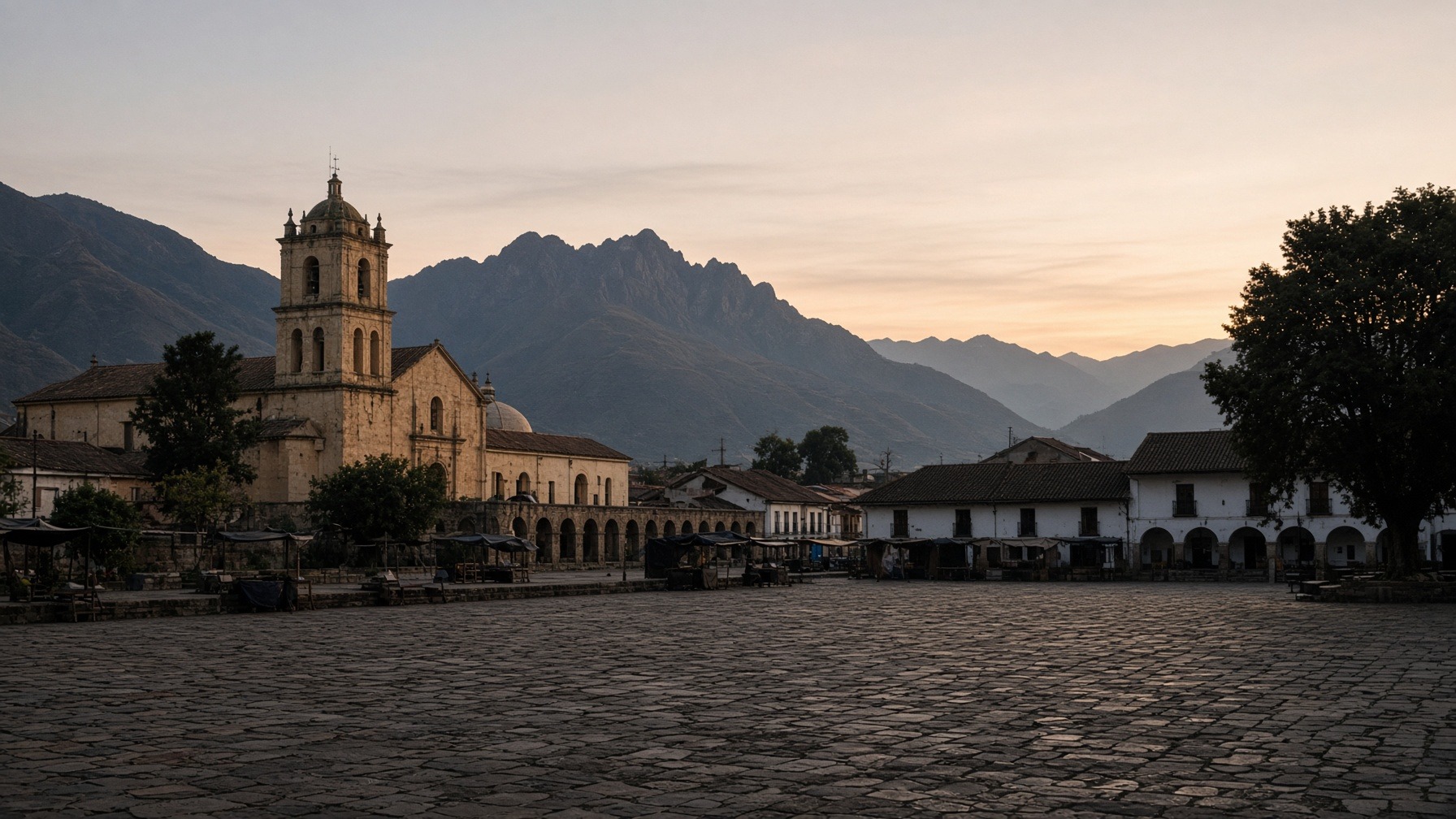
Americans abroad
Homes, families, work — elsewhere
From Andean cities to Asian ports, Americans have married, raised kids, and built companies under other flags because a free people may choose a horizon.
Read
Grew
Hard chapters we do not hide — then a better law.
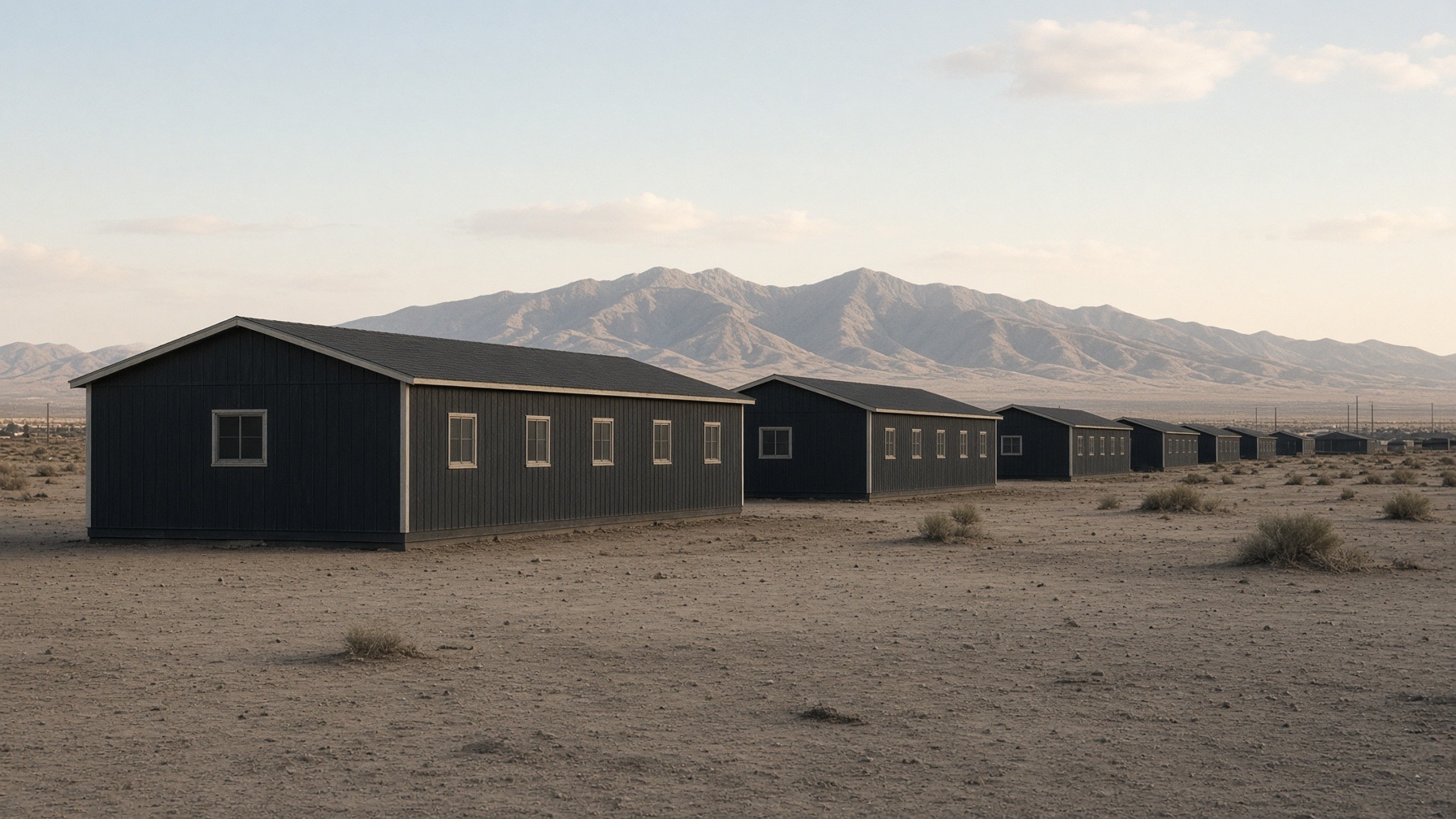
1942 → 1988
Internment, then redress
The United States locked up its own citizens. Decades later it named the wrong and paid restitution.
Read
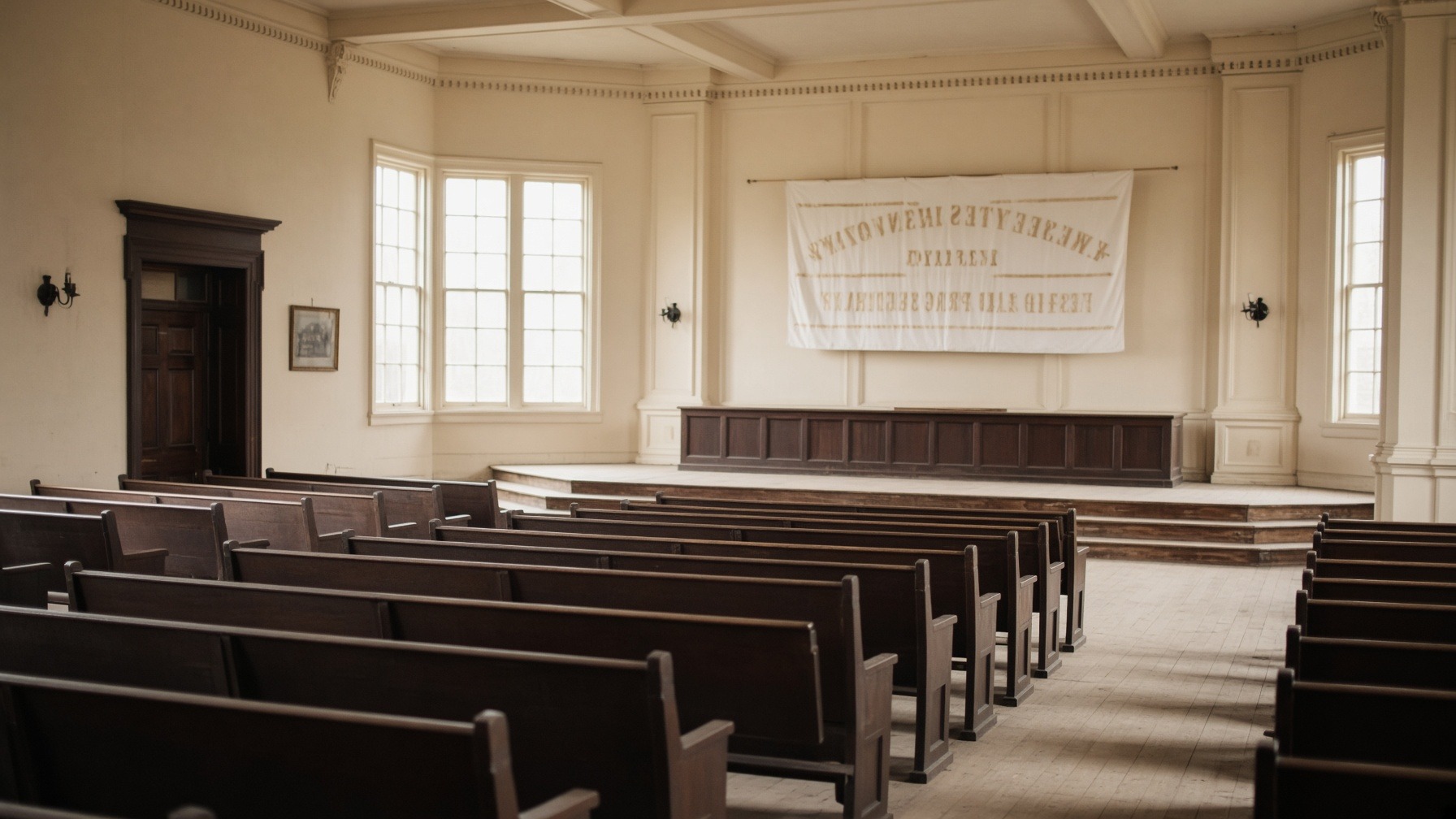
1848 → 1920
Half the country, then the vote
Seventy-two years from Seneca Falls to the 19th Amendment. Persistence became law.
Read
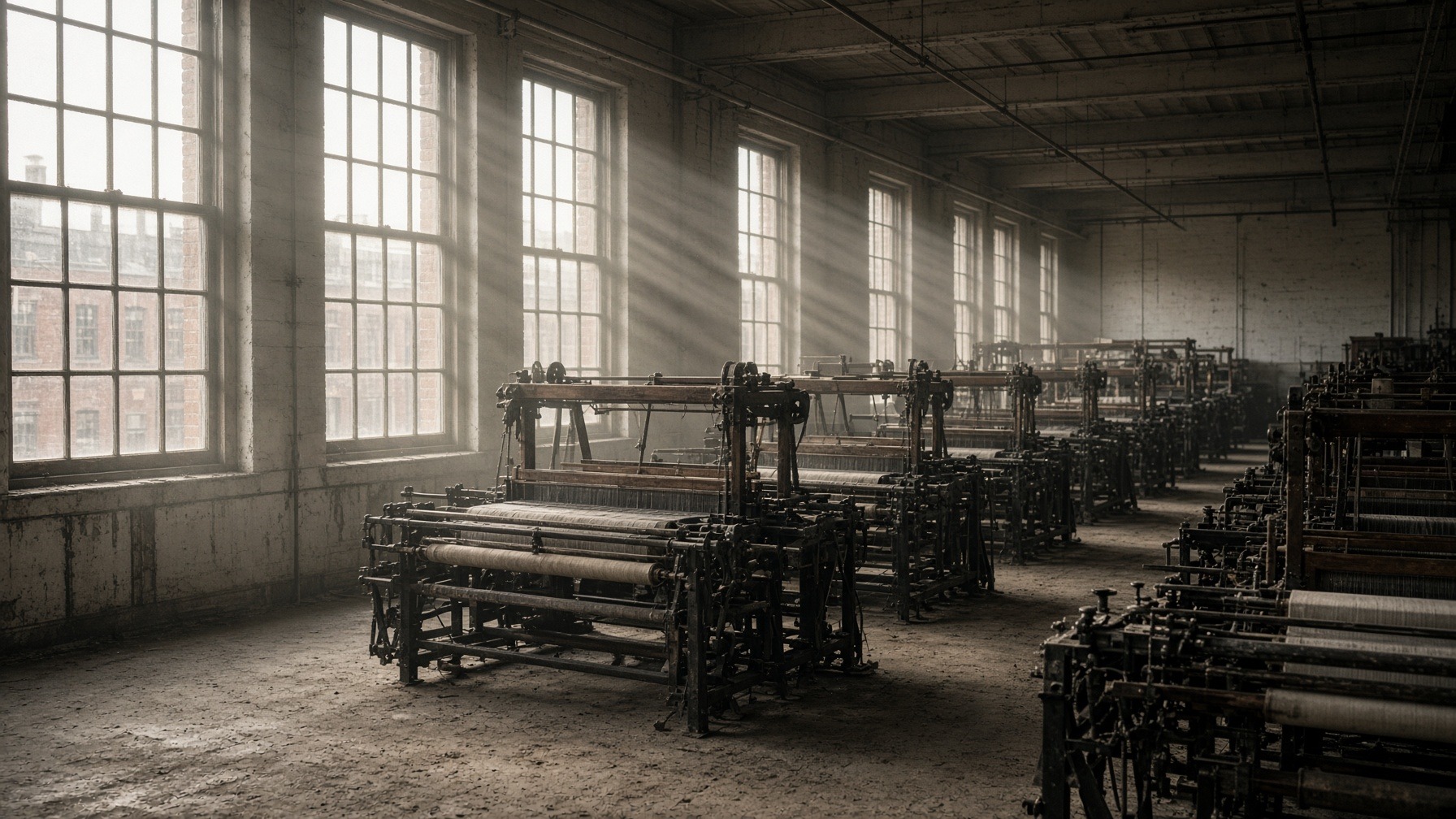
1900s → 1938
Children in the mill, then a floor
American mills used children because they were cheap. Photographs made the practice impossible to romanticize.
Read
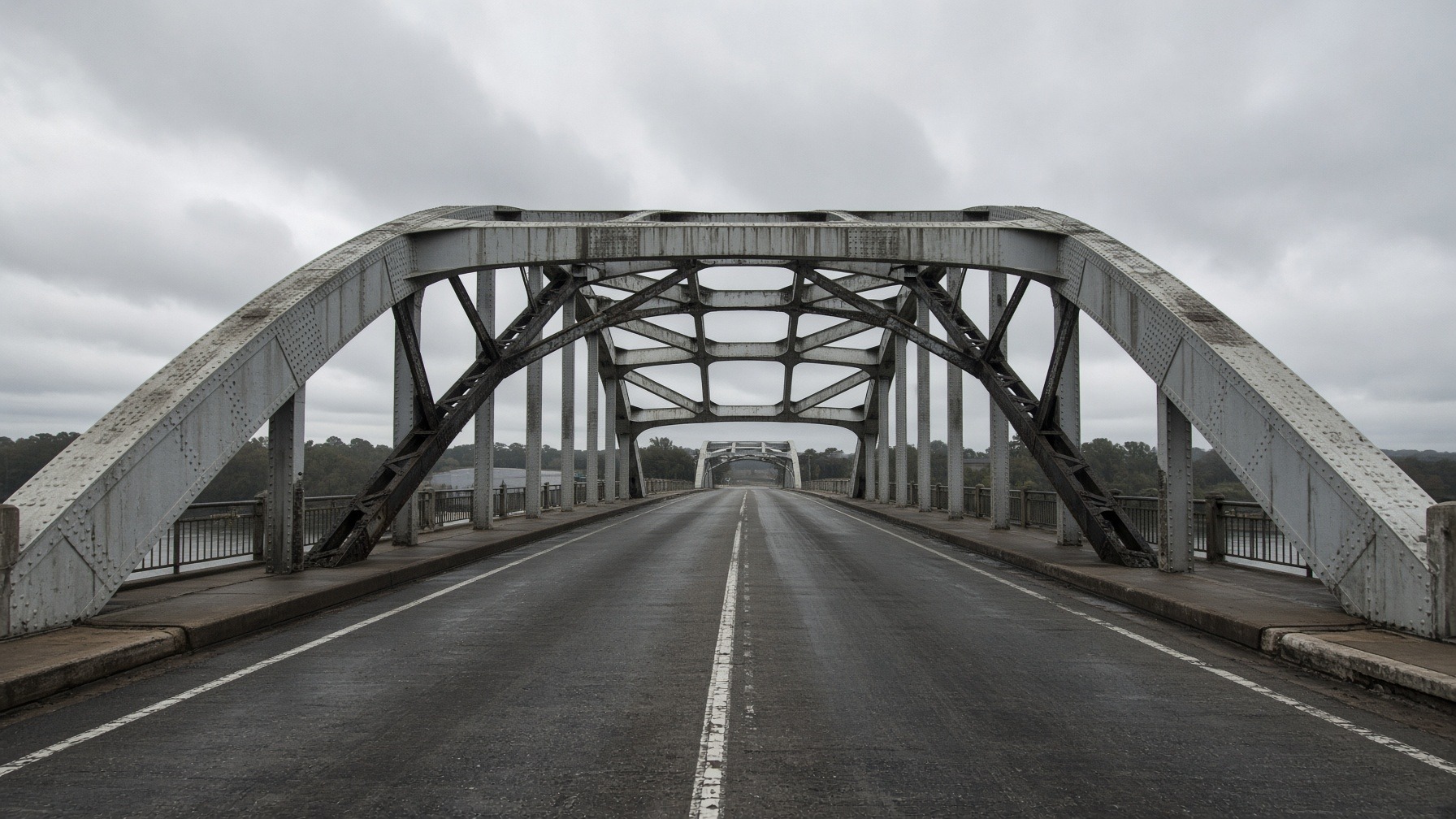
Selma → 1965
The bridge, then the Act
Citizens were beaten for trying to register. The Voting Rights Act followed. The repair has to be kept.
Read