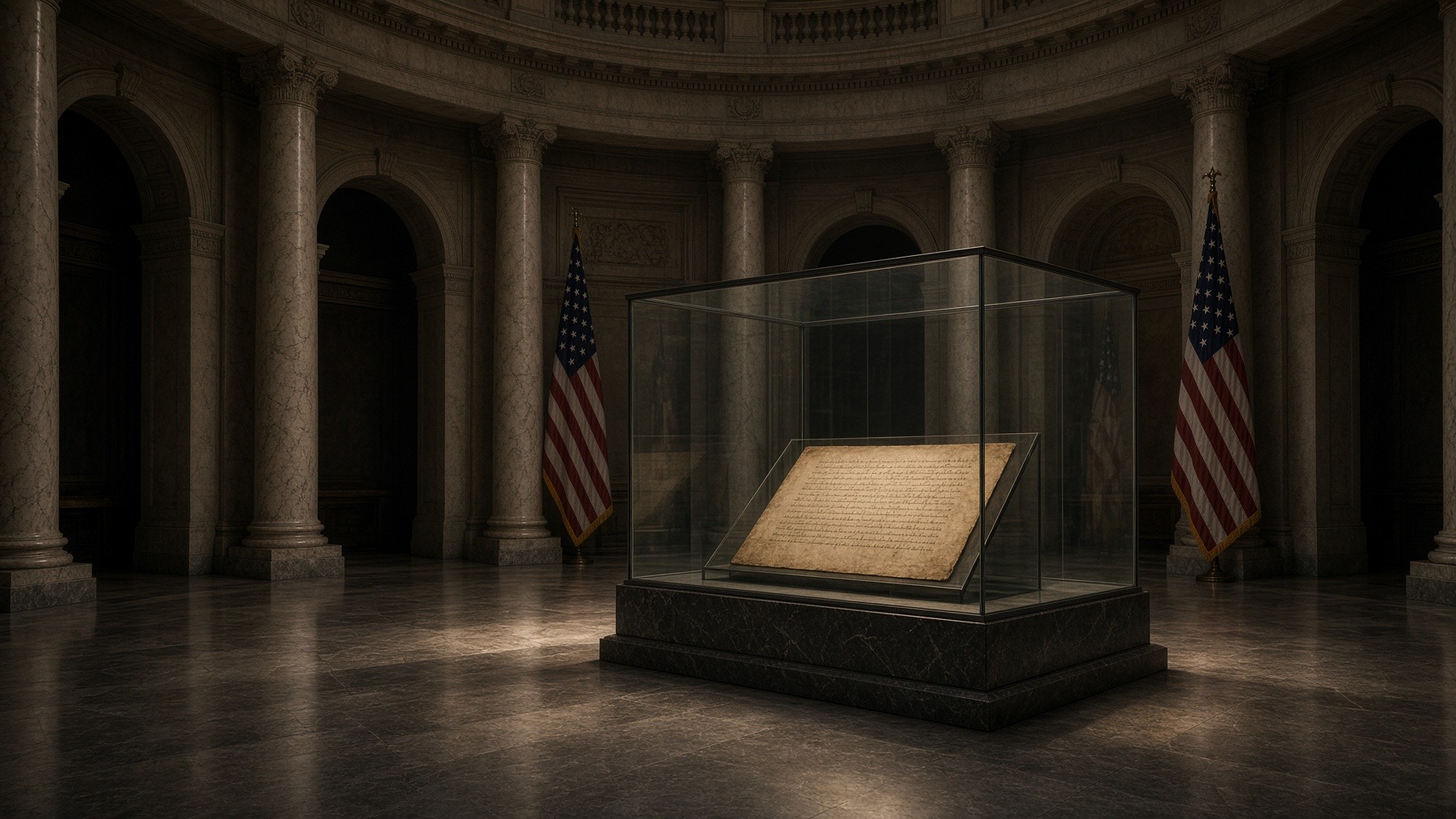
The American Constitution is unusual in a simple way: it is a cage for power, not a hymn to whoever holds it. Congress gets enumerated jobs. The President is not a monarch. Courts can tell both they are wrong. The people remain the sovereign.
Plenty of countries have constitutions. Fewer treat them as law that outranks the party, the army, or the leader of the moment. In a party-state, the party is the constitution. In an absolute monarchy, the crown is. In too many republics, the document is decoration until it is inconvenient.
Ours has worked — not because Americans are magically better, but because the design assumes we are not. Ambition is set against ambition. Speech is protected before it is popular. Elections are scheduled even when the incumbent would rather not. When we fail the design, the repair is to return to it, not to throw it out.
That is the uniqueness worth celebrating: a free people under a written limit, with a way to grow the promise without burning the house down.