International · Sovereign nations · Realist
Between nations — not above them.
International means relationships among peoples who govern themselves. That construct is what has let the world learn: error, argument, give-and-take. A worldview of global elites dictating rules cannot metabolize a mistake — because the people who pay for it cannot fire the authors.
Sovereign nations
The unit is a people under their own law. They deal with other peoples as equals, not as branches of one office.
Give and take
Treaties, trade, and even wars happen between houses that can still change their minds. Learning requires a door you can walk back through.
Not a board of elites
Remote rule has no zip code. It does not share the cost of its theory. Realism starts with people as they are — sovereign, fallible, and still in charge of their own house.

Wars, including our own
Start at Gettysburg. Then look at what we did not take after victory — other people’s right to remain sovereign.

Wars · 1861–65
The war we fought with ourselves
The bloodiest American war was not overseas. It was Americans deciding whether the Union — and the claim that a person is not property — would stand.
Read

Wars · Europe, Asia, the Americas
We fought. Then we left them their countries.
The unusual American pattern after victory was not to keep the land. Germany, Japan, Italy, South Korea — occupied, rebuilt, then returned to their own governments.
Read

Wars · 1945–52
Japan remained Japan
We occupied. We did not keep. The emperor stayed Japanese. The government that followed was theirs.
Read

Wars · 1950–53
A ridge that stayed Korean
Americans died on Korean ground so a Korean republic could remain Korean — not so a star could be added to our flag.
Read
Americans who went
Public lives overseas — guests in other sovereign houses, not colonial postings.

Americans abroad
A table in Paris, because they could leave
Writers, nurses, engineers, and G.I.s who stayed after the war found homes and families overseas. Freedom includes the right to go.
Read
Americans abroad
Homes, families, work — elsewhere
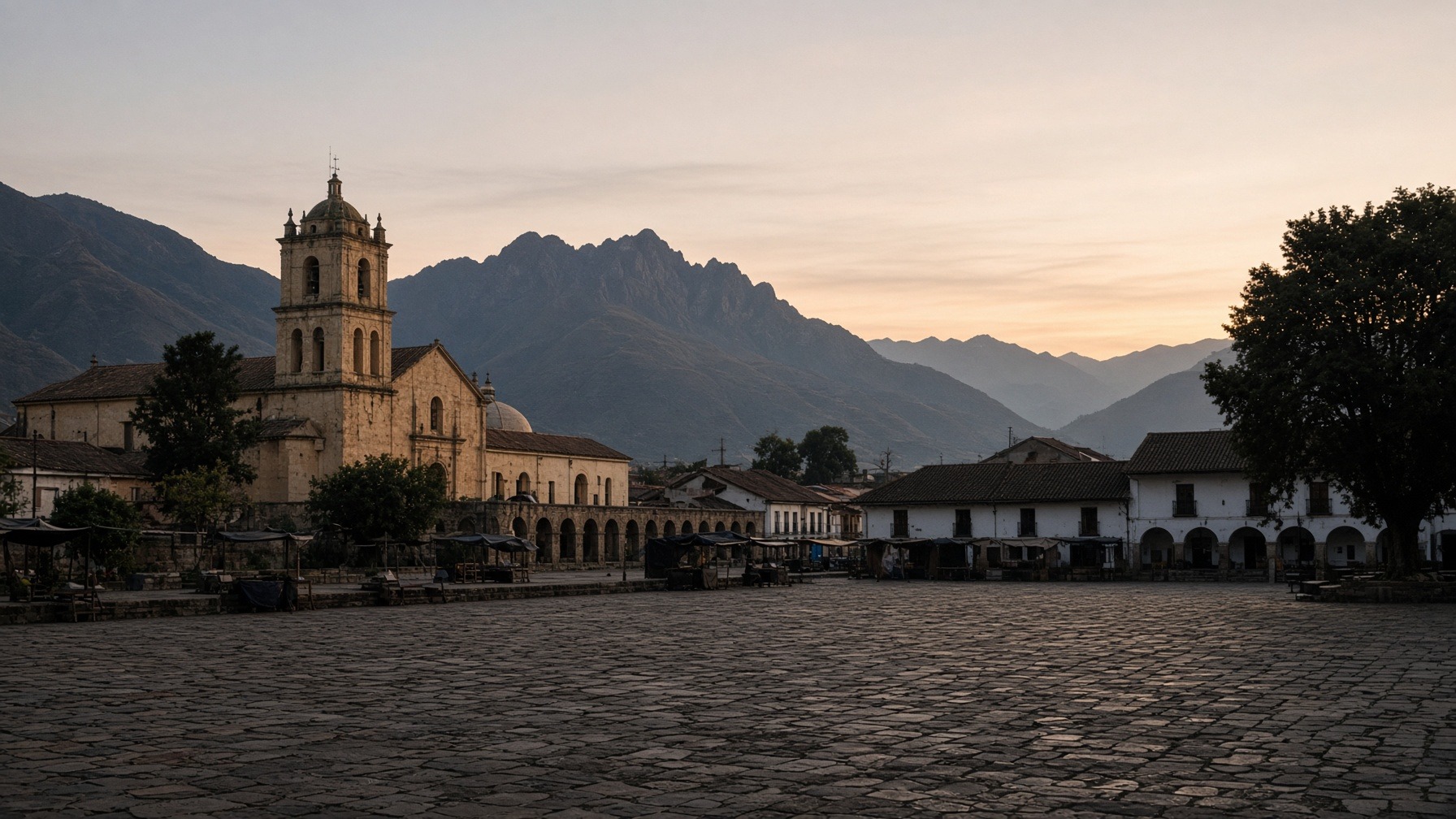
From Andean cities to Asian ports, Americans have married, raised kids, and built companies under other flags because a free people may choose a horizon.
Read
Why the model works
Two Koreas. Two Germanys. Famines with names. A grocery aisle that does not need a commissar. The contrast is the record.